
Right-size lanes + guardhouseDesign around the intended flow—not the worst manual queue.
PCBC 2026 · AI Innovation Pavilion
Booth 136
Smarter community access.
Less to build. Less to staff.
EntryOne helps builders rethink gates, visitor processing, doors, amenities, and elevators with edge AI, reusable wiring, distributed control, and a serverless cloud.
Fewer peak-only visitor lanes
Less attendant time on routine arrivals
Existing-wire · Solar · 4G options
Modern elevator floor permissions
Explore how AI, local intelligence, and reusable infrastructure can simplify gate, visitor, and elevator design.
July 28–29, 2026
Chula Vista · San Diego
PCBC 2026
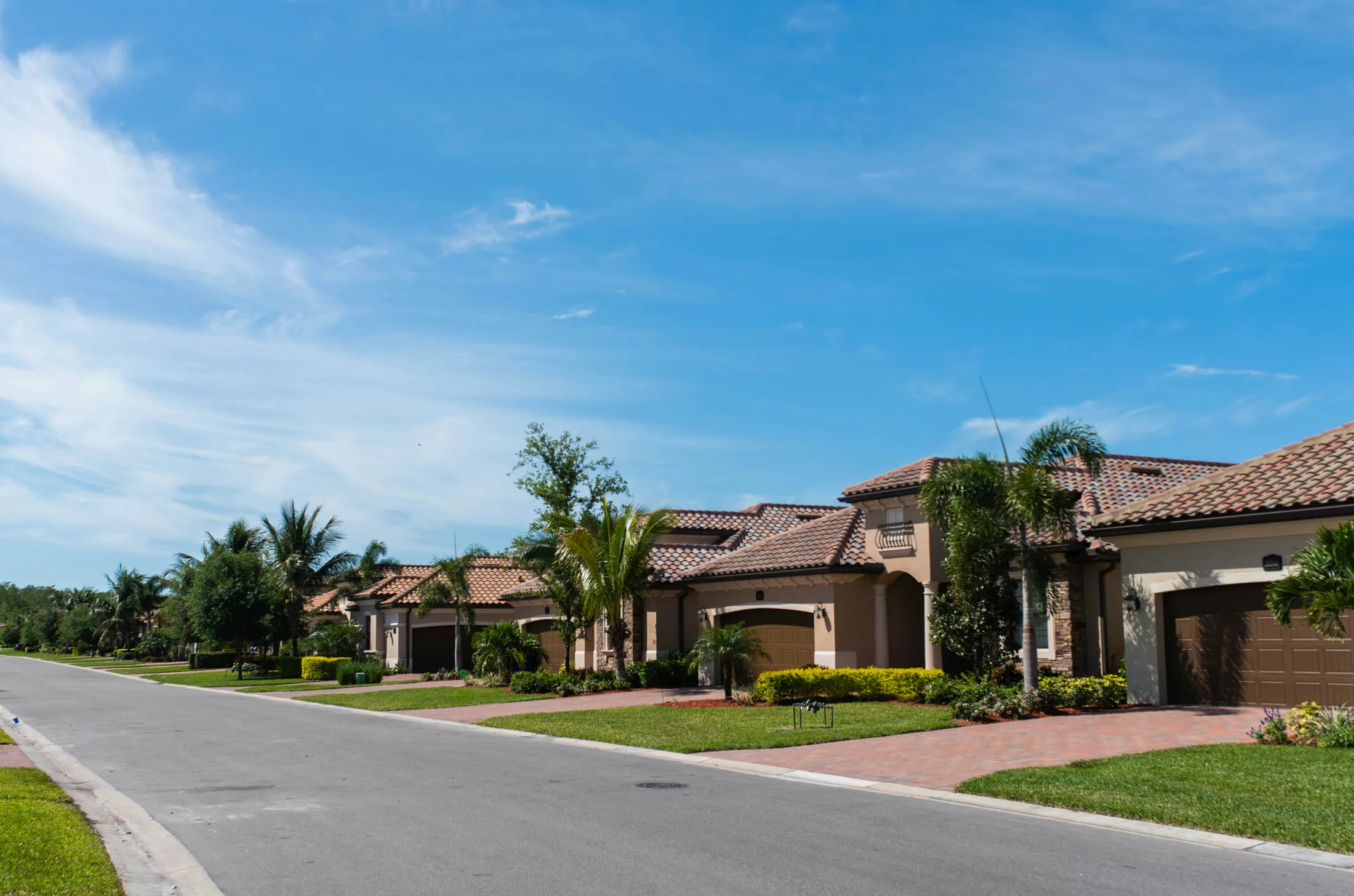
GATE + VISITOR AI
Pre-check routine guests. Keep the entrance moving.
Parallel check-in · temporary QR · attendant exceptions
ELEVATOR INNOVATION
Secure floor access without a new dedicated traveling cable.*
Modern credentials · time-limited guest permissions
Built for the community lifecycleConstruction → sales → move-in → HOA handoff
Proprietary visitor-management workflow
Patent-backed · allowed and pending U.S. patent claims
Reduce routine gate laborAutomate predictable arrivals and reserve people for exceptions.
Reduce specialty infrastructureReuse suitable wiring and avoid unnecessary home runs where possible.
Improve the resident experienceModern access from the vehicle lane to the authorized elevator floor.
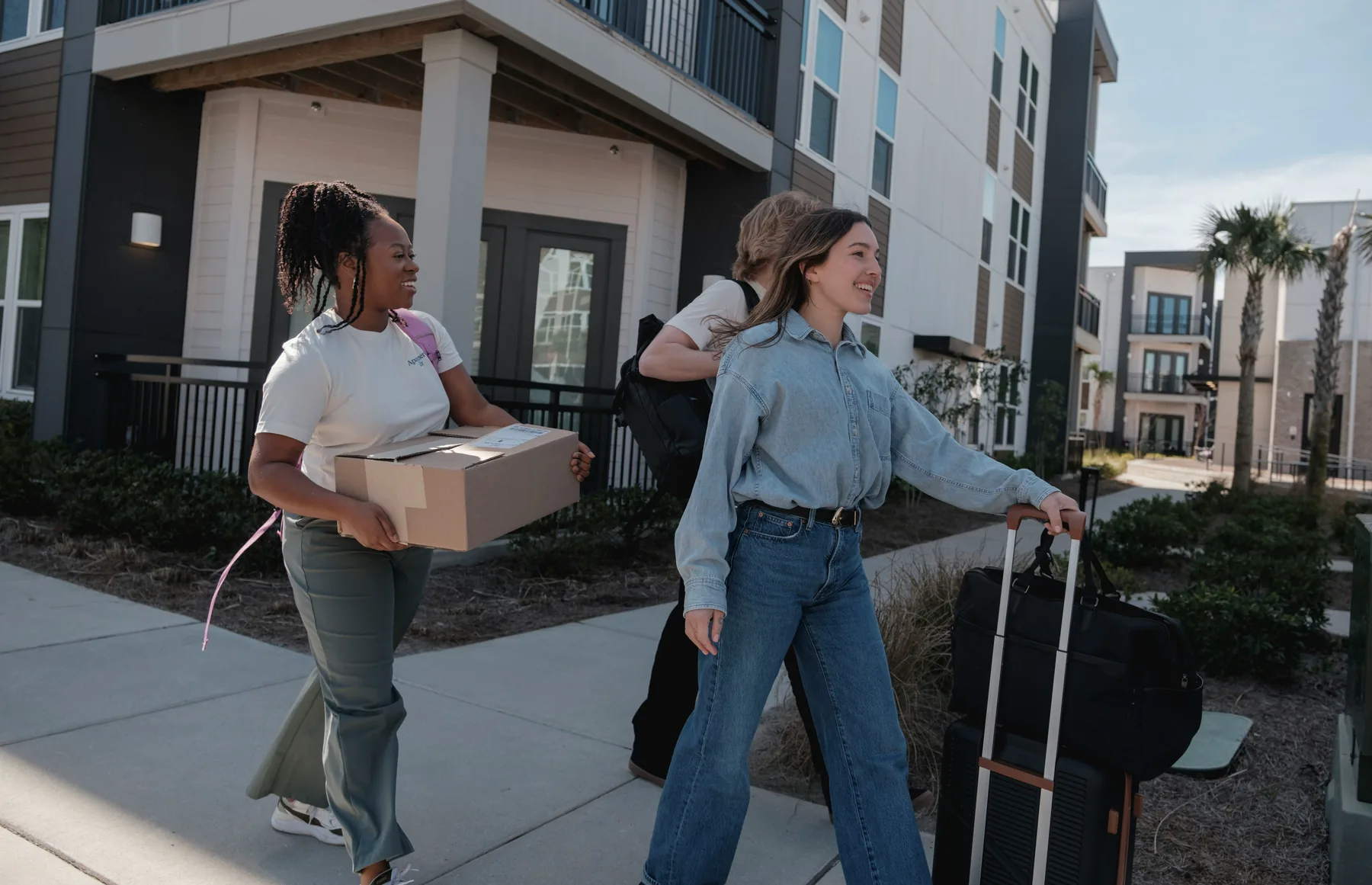
THE REAL OUTCOME
A smoother arrival from move-in day forward.
Why EntryOne belongs in the AI Pavilion
AI that changes the work—and the physical design around it.
The point is not another dashboard. The point is fewer serial transactions at the gate, faster local decisions, and better evidence for the people operating the community.
Vehicle intelligence at the lane
Recognize the plate, match policy locally, open quickly, and send high-resolution evidence to the cloud for audit and analytics.
Proprietary visitor automation
Guide guests and deliveries through destination, resident authorization, configured verification, and a time-limited credential—before they become a gatehouse transaction.
Community intelligence in the cloud
Turn access events into searchable evidence, traffic patterns, exception review, policy control, and device-health visibility across the portfolio.
A more realistic gate-planning comparison
Same two-lane entrance. Less time in the guest lane.
A common layout places the guest lane on the left, the resident lane on the right, and a guardhouse or kiosk monument to the left of the guest lane. EntryOne moves routine check-in upstream, so the barrier becomes a fast credential decision—not the beginning of a long transaction.
TRADITIONAL
6-car guest queue
The guardhouse performs every guest check-in
Serial guardhouse workflow
Lane storage, guardhouse scope, and staffing are sized around one-at-a-time guest processing.
ENTRYONE-ASSISTED
Pass ready at the gate
Guests check in before they reach the barrier
Parallel pre-check + fast gate decision
Routine work happens along the approach. A full guardhouse can become optional, smaller, or focused on exceptions.
PROPRIETARY VISITOR-MANAGEMENT WORKFLOW
App-less communication, distributed check-in, and temporary access—designed to take friction out of staffed and unstaffed entrances.
Patent-backedAllowed + pending U.S. claims
Illustrative concept only. Guardhouse scope, kiosk location, lane count, staffing, throughput, traffic engineering, and savings depend on the site, arrival mix, code, operating policy, and configured verification workflow.
The innovation builders may not expect at an access-control booth
Floor control without a new dedicated traveling cable.
Where suitable spare conductors are available, EntryOne can carry the in-cab reader connection through the existing traveling cable to a secure machine-room relay board—reducing specialty cabling scope while enabling modern floor permissions.
Reduce specialized installation scopeAvoid a new dedicated traveling cable in qualifying projects.
Offer modern credentialsMobile, card, PIN, QR, and facial access where permitted.
Deliver to the authorized floorIssue a time-limited pass for lobby, elevator, and selected floor access.
Example guest journeyDelivery arrives → verifies → receives a short-lived pass → enters lobby → rides to the resident’s authorized floor.
All elevator-related work must be coordinated with and performed by a licensed elevator contractor. Availability depends on the elevator equipment, spare conductors, OEM requirements, code, and AHJ approval.
 Modern access from curb to authorized floor
IN THE CAB
Modern credential reader
FACEQRPINMOBILE
EXISTING TRAVELING CABLE
Suitable spare conductors
No new dedicated cable where conditions allow
MACHINE ROOM
Secure floor permissions
19181716
What builders care about
Make the access system earn its place in the plan set.
Trade-show visitors do not need another product catalog. They need to understand what changes in the budget, the schedule, the site plan, the resident experience, and the long-term handoff.
Can we reduce civil scope?
Evaluate trenching, conduit, home runs, panel rooms, dedicated cabling, and connectivity choices before they harden into cost.
Are we building for a bottleneck?
Use pre-check and local decisions to challenge peak-only visitor lanes, oversized gatehouses, and serial workflows.
How much labor starts on day one?
Shift routine resident, guest, vendor, and delivery work to automation while keeping a clear exception path.
Will this simplify coordination?
Independent edge devices and flexible connectivity can reduce dependencies across low-voltage, civil, network, and specialty trades.
Does it fit modern living?
Mobile, QR, plate, PIN, card, facial access, app-less communication, guest passes, and visual evidence support real resident journeys.
What does the HOA inherit?
Cloud policy, auditable events, device health, resident self-service, and a platform that can grow without replacing the original system.

From construction access to everyday life
One platform through the full community lifecycle.
IoT → local intelligence → serverless cloud
Distributed from curb to cab—without a building-wide home run.
EntryOne replaces the “everything returns to one panel” model with independent edge nodes, protected-side control where needed, secure per-device cloud identity, and a regional serverless stack.
COMMUNITY EDGE
LOCAL DECISION + DETERMINISTIC ACTUATION
REGIONAL SERVERLESS STACKEntryOne Cloud
PolicyEvidence + auditAI analyticsFleet health
Builder / operator portalResident + visitor workflows
Builder planning considerations
What changes when access is designed around automation?
Lane count, guardhouse scope, staffing, elevator cabling, and HOA handoff are connected decisions. These are the areas builders most often evaluate.
Contact EntryOneCan this reduce or defer a staffed guardhouse?
In some plans, upstream guest check-in and exception-only support may allow a compact kiosk monument, reduced coverage, or an unstaffed design. The final choice depends on site geometry, security policy, arrival volume, code, and operating requirements.
Can this reduce the number of lanes we build?
It can reduce the pressure to build for a serial manual bottleneck. Final lane count remains a traffic-engineering and site-design decision based on actual arrival volumes and operating policy.
Does the elevator company still participate?
Yes. All elevator work must be coordinated with and performed by a licensed elevator contractor. EntryOne’s approach can reduce the need for a new dedicated traveling cable where suitable spare conductors and project conditions allow.
What is proprietary about the visitor workflow?
The EntryOne approach combines app-less visual communication, distributed check-in, resident authorization, and temporary access credentials. Patent status and final claim language should follow official records and counsel-approved wording.
Can the platform phase with construction and turnover?
Yes. The same cloud platform can support temporary construction access, sales and model-home workflows, resident move-in, ongoing operations, and HOA handoff.
PCBC 2026 · AI Innovation Pavilion · Booth 136
See the gate, visitor, and elevator innovations in one conversation.
EntryOne can help evaluate lane flow, guardhouse scope, staffing assumptions, reusable wiring, and floor-control options for new communities.
Contact EntryOne
View the PCBC Exhibitor Profile
July 28–29, 2026 · Gaylord Pacific Resort & Convention Center